

Beyond the Kibble: Which Vegetables Are Safe and Beneficial for Your Dog?
When it comes to boosting your dog’s diet, you might be wondering what vegetables can dogs eat safely. Many vegetables offer essential nutrients that support your dog’s health, from digestion and hydration to immune strength and energy levels. However, not every vegetable that’s healthy for humans is safe for dogs, so knowing what’s beneficial and what to avoid is key. Adding the right vegetables in moderation can enhance your dog’s nutrition while keeping mealtime interesting and satisfying. If you’ve ever questioned whether your dog can share your favorite greens or carrots, this guide breaks down the best vegetables for dogs and how they can positively impact their health.
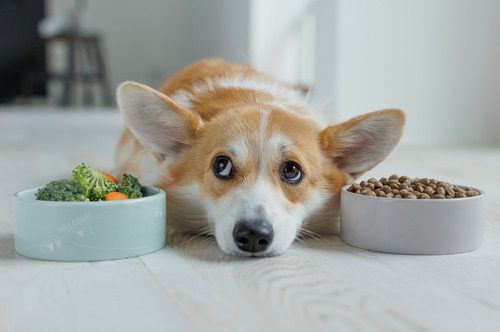
The Benefits of Adding Vegetables to Your Dog’s Diet
Dogs are omnivores, which means their bodies can benefit from both animal and plant-based nutrients. While commercial dog foods are designed to meet nutritional needs, adding vegetables can provide extra fiber, hydration, and antioxidants. Vegetables such as carrots, green beans, and broccoli contain valuable vitamins like A, C, and K, as well as minerals such as potassium and calcium. These nutrients help maintain a strong immune system, support bone and eye health, and improve overall digestion.
High-fiber vegetables also contribute to healthy bowel movements and may help manage weight by providing bulk with fewer calories. Incorporating vegetables also offers mental enrichment. Dogs enjoy new textures and flavors, and the simple act of chewing a crunchy carrot or green bean can keep them entertained while promoting good dental health.
What Vegetables Are Good for Dogs?
Many vegetables can make excellent, low-calorie treats for dogs. The key is moderation and preparation: avoid seasoning, oils, and butter, and make sure vegetables are cut into small, bite-sized pieces. Below are some of the most beneficial vegetables to include in your dog’s diet.
Carrots
Carrots are among the most popular vegetables for dogs. They’re rich in beta-carotene, which supports eye and skin health, and provide a satisfying crunch that can help reduce plaque buildup. Whether raw or cooked, carrots make a great snack, and many dogs love their natural sweetness.
Green Beans
Green beans are packed with vitamins A, C, and K, as well as iron and fiber. They’re a favorite among veterinarians for dogs that need to lose weight since they’re filling but low in calories. Always serve them plain and cooked or raw, without added salt or seasonings.
Broccoli
Broccoli contains high levels of vitamin C, calcium, and fiber, which can aid digestion and immune health. However, it should be served in small amounts as large portions can cause gas or stomach upset. Lightly steaming broccoli makes it easier to digest and enhances its nutrient availability.
Sweet Potatoes
Sweet potatoes are packed with vitamins A and B6, fiber, and antioxidants. Cooked sweet potatoes are gentle on the stomach and can support digestive health. Avoid giving them raw, and always remove the skin to make them easier to digest.
Spinach
Spinach contains iron, magnesium, and antioxidants that can strengthen the immune system and support heart health. While spinach is safe in small quantities, it should be given in moderation due to its oxalic acid content, which can affect calcium absorption if overfed.
Peas
Peas are rich in protein and contain beneficial nutrients like folate, manganese, and fiber. Fresh, frozen, or steamed peas are all suitable for dogs, but avoid canned varieties, which often contain added sodium.
Cucumbers
Cucumbers are an excellent source of hydration and make a refreshing snack, especially in warm weather. They contain minimal calories and are ideal for dogs who need to maintain a healthy weight. Slice them thin for an easy, crunchy treat.
Zucchini
Zucchini is light, easy to digest, and full of vitamins A and C. Many dogs enjoy zucchini raw or steamed as a low-calorie addition to their meals. It supports digestion and can help maintain a shiny coat.
Bell Peppers
Bell peppers, particularly red ones, are packed with antioxidants and vitamin C. These nutrients can support immune health and joint function. Always remove the seeds and stem before serving, and consider lightly cooking them for easier digestion.
What Vegetables Should Dogs Not Eat?
While many vegetables are safe for dogs, others can cause serious health issues. Knowing what vegetables dogs can eat safely also means understanding which ones to skip.
Onions and Garlic
Onions and garlic contain compounds that can damage red blood cells and cause anemia in dogs. Even small amounts can be harmful, especially when consumed regularly. Avoid feeding dogs anything that contains onion or garlic powder as well.
Mushrooms
Certain wild mushrooms are toxic to dogs and can lead to severe organ damage. Even store-bought mushrooms may upset your dog’s stomach, so it’s best to leave them out of your pet’s diet entirely.
Corn on the Cob
While plain corn kernels are generally safe in small amounts, corn on the cob poses a choking hazard and can cause intestinal blockages if swallowed. It’s safest to avoid offering it altogether.
Avocado
Avocados contain a substance called persin, which can cause vomiting and diarrhea in dogs. The pit also presents a choking hazard. Even small amounts of avocado flesh can be risky, so it’s best to avoid this food.
Preparing Vegetables for Your Dog
The way you prepare vegetables matters just as much as which ones you choose. Dogs have shorter digestive tracts than humans, so lightly cooking or steaming vegetables often makes nutrients easier to absorb. Avoid frying or adding butter, salt, or spices. If you plan to serve raw vegetables, cut them into small, manageable pieces to prevent choking.
Steamed or boiled vegetables should always be cooled before serving, and you can mix them into your dog’s regular food for added flavor and variety. For added safety, introduce new vegetables one at a time and monitor your dog for signs of digestive discomfort, such as loose stools or gas. If you notice any negative reaction, stop offering that particular vegetable.
How Much Is Too Much?
Even though vegetables are healthy, they should complement (not replace) your dog’s regular diet. Treat vegetables as a supplement or snack, not a meal substitute. Generally, vegetables should make up no more than 10% of your dog’s daily calorie intake. Dogs require a balance of proteins, fats, and carbohydrates for optimal health, and too many vegetables can upset this balance. Overfeeding fiber-rich foods can also lead to loose stools or decreased nutrient absorption. When in doubt, check with your veterinarian before adding new foods to your dog’s routine. They can provide guidance based on your dog’s specific health, age, and dietary needs.
Supporting Your Dog’s Health with Expert Guidance
Knowing what vegetables dogs can eat is a great way to take an active role in your pet’s nutrition. However, each dog has unique dietary requirements based on size, breed, and health status. Consulting your veterinarian ensures that you’re making choices that truly benefit your pet’s well-being.
At University Veterinary Hospital in Shreveport, LA, our team can help you tailor your dog’s diet for a healthier, happier life. Whether you have questions about food choices, weight management, or nutrition-related conditions, we’re here to guide you. Call (318) 797-5522 or book an appointment online to speak with one of our veterinary professionals today.
Recent Posts
About University Veterinary Hospital
UVH has a phenomenal team of veterinarians and specialists available to meet all your pet’s needs. From the moment you walk through our doors, you will be met with friendly faces and warm greetings from our wonderful front desk team, and then ushered into an exam room to meet with your veterinarian. We are deeply invested in your pet’s longevity and happiness, and in your satisfaction.