

Is Your Dog’s Vision Fading? What to Know About Cataracts in Dogs
If you’ve noticed your dog bumping into furniture, hesitating in dim light, or developing a cloudy film in their eyes, they could be showing early signs of cataracts. Cataracts in dogs occur when the normally clear lens of the eye becomes cloudy, interfering with light reaching the retina and ultimately affecting vision. This condition can progress slowly or rapidly, depending on the cause, and often leads to partial or complete blindness if left untreated. While cataracts in dogs are common, especially in seniors and certain breeds, early detection and professional veterinary care can make a major difference in preserving comfort and quality of life.
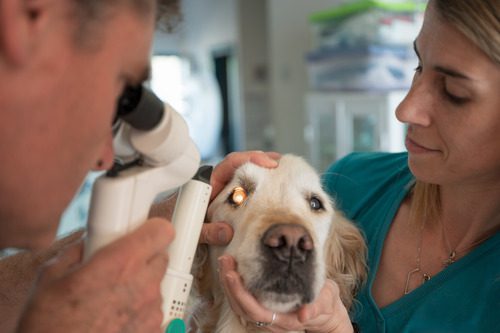
What Are Cataracts in Dogs?
Cataracts in dogs develop when proteins within the eye’s lens clump together, creating a cloudy or opaque area that disrupts normal vision. The lens, located behind the iris and pupil, is responsible for focusing light onto the retina so your dog can see clearly. When cataracts form, that light becomes scattered or blocked entirely.
Cataracts can vary in size and density. Small cataracts might cause minimal vision issues, while larger or denser ones can lead to significant blindness. In some dogs, cataracts remain stable for years, but in others, they progress quickly. Regular veterinary eye exams help identify changes early and determine the best course of care.
The Difference Between Cataracts and Nuclear Sclerosis
Many pet owners mistake normal age-related eye changes like nuclear sclerosis for cataracts. Nuclear sclerosis causes a bluish-gray haze in the eyes but doesn’t significantly affect vision. Cataracts, on the other hand, have a milky or white appearance and lead to noticeable vision loss. Only a veterinarian can make a clear distinction through an eye examination.
What Causes Cataracts in Dogs?
Cataracts in dogs can occur for several reasons, and identifying the cause helps your veterinarian guide next steps.
Genetic and Breed Factors
Inherited cataracts are one of the most common types. Breeds such as Cocker Spaniels, Poodles, Siberian Huskies, and Labrador Retrievers are genetically predisposed. These cataracts can develop at any age and may progress differently depending on the individual dog.
Diabetes Mellitus
Diabetes is a leading cause of cataracts in adult dogs. Elevated blood sugar levels can change the chemical balance in the lens, leading to clouding. In diabetic dogs, cataracts can form rapidly, sometimes within weeks of diagnosis. Regular blood glucose monitoring and veterinary checkups are vital for diabetic pets to prevent complications like cataracts.
Trauma or Inflammation
An eye injury or inflammation (known as uveitis) can disrupt the lens’s normal structure, leading to cataract formation. Even small scratches or infections can set off internal eye reactions that damage the lens.
Aging
Just like humans, dogs experience age-related changes in their eyes. Over time, the proteins within the lens can naturally degrade, increasing the risk of cataracts in senior pets. Regular veterinary eye exams for aging dogs help detect these changes early.
Signs of Cataracts in Dogs
Cataracts in dogs can develop gradually, so you might not notice immediate vision loss. However, subtle behavioral and physical signs can reveal that your dog’s eyesight is changing.
Physical Signs
- A cloudy or whitish film over one or both eyes
- Eyes that appear bluish or opaque in bright light
- Excessive blinking or squinting
- Redness or inflammation around the eyes
Behavioral Changes
- Hesitation in unfamiliar spaces
- Bumping into walls, furniture, or people
- Difficulty catching toys or finding food bowls
- Increased anxiety or clinginess, especially at night
These behaviors often worsen in low-light conditions, where dogs rely more heavily on their vision. If you notice these symptoms, it’s time to schedule an eye exam at University Veterinary Hospital by calling (318) 797-5522 or booking an appointment online.
Diagnosis of Cataracts in Dogs
Diagnosing cataracts in dogs requires a detailed eye examination by your veterinarian. Using specialized tools, your vet can provide eye care at University Veterinary Hospital by looking inside the eye and evaluating the clarity of the lens.
Initial Examination
The appointment begins with a physical exam and discussion of your dog’s medical history. Your vet will assess whether the cloudy appearance is due to cataracts or another condition, such as nuclear sclerosis or corneal disease.
Advanced Testing
If cataracts are suspected, your veterinarian might recommend:
- Ophthalmoscopy: A close inspection of the lens and retina
- Slit-lamp biomicroscopy: A magnified view of eye structures for precision diagnosis
- Ultrasound imaging: If the cataract is too opaque to see through, this test helps assess the retina behind it
Treatment Options for Cataracts in Dogs
Once cataracts have developed, they typically do not resolve without medical intervention. However, treatment depends on the severity of the cataracts and your dog’s overall health.
Managing Underlying Conditions
When cataracts in dogs result from conditions like diabetes or inflammation, managing those issues can help slow progression. Regular monitoring and medication adjustments may improve your pet’s comfort and prevent further damage.
Surgical Treatment
The most effective treatment for advanced cataracts in dogs is surgical removal. This procedure, known as phacoemulsification, involves using ultrasonic waves to break down the cloudy lens, which is then replaced with an artificial lens. This can restore vision and dramatically improve quality of life for suitable candidates. Only a board-certified veterinary ophthalmologist can perform this surgery, and not all dogs are candidates. Your veterinarian can help determine if referral is appropriate based on your dog’s age, overall health, and eye condition.
Post-Treatment Care and Follow-Up
After cataract surgery, dogs require close monitoring and follow-up visits. Regular eye checks, prescribed medications, and at-home care all play a role in maintaining eye health and preventing recurrence.
Preventive Steps and Long-Term Eye Health
While not every case of cataracts in dogs can be prevented, proactive care can protect your pet’s eyes and delay the onset of vision problems.
Regular Eye Exams
Annual or biannual eye exams help identify early cataract changes and other eye diseases before symptoms become severe. Senior dogs and diabetic pets may need more frequent visits.
Eye Safety and Health Maintenance
Protecting your dog’s eyes from trauma, keeping their face clean, and providing a balanced diet rich in antioxidants can all support long-term eye health. Veterinary guidance ensures that your pet’s nutrition and environment promote clearer, healthier vision.
Early Detection is Key
Early detection allows veterinarians to intervene before cataracts progress. Even if cataracts cannot be reversed, timely care can help maintain comfort, prevent inflammation, and improve quality of life.
Supporting Your Dog’s Quality of Life
Living with cataracts doesn’t mean your dog can’t live happily and comfortably. Dogs adapt remarkably well to vision changes by relying on their other senses. Keeping furniture in consistent places, using sound cues, and maintaining predictable routines can help your pet navigate safely. Your veterinarian is your best partner in managing your dog’s eye health. If you suspect your pet may have cataracts or you’ve noticed changes in their vision, call University Veterinary Hospital at (318) 797-5522 or book an appointment online. Early professional care helps preserve your dog’s comfort, confidence, and joy in daily life.
Recent Posts
About University Veterinary Hospital
UVH has a phenomenal team of veterinarians and specialists available to meet all your pet’s needs. From the moment you walk through our doors, you will be met with friendly faces and warm greetings from our wonderful front desk team, and then ushered into an exam room to meet with your veterinarian. We are deeply invested in your pet’s longevity and happiness, and in your satisfaction.