

Cat Lethargy: Is it a Cat Nap or a Cause for Concern?
Cat lethargy, meaning that drowsy, slow-moving version of your normally curious cat, can mean a lot of different things. A lethargic cat may simply be catching up on rest, or it could be showing one of the earliest signs that something is medically wrong. Knowing how to tell the difference can make all the difference. This guide walks you through the common causes of cat lethargy, the warning signs that demand prompt attention, and why a visit to University Veterinary Hospital in Shreveport, LA may be the most important call you make for your cat’s health.
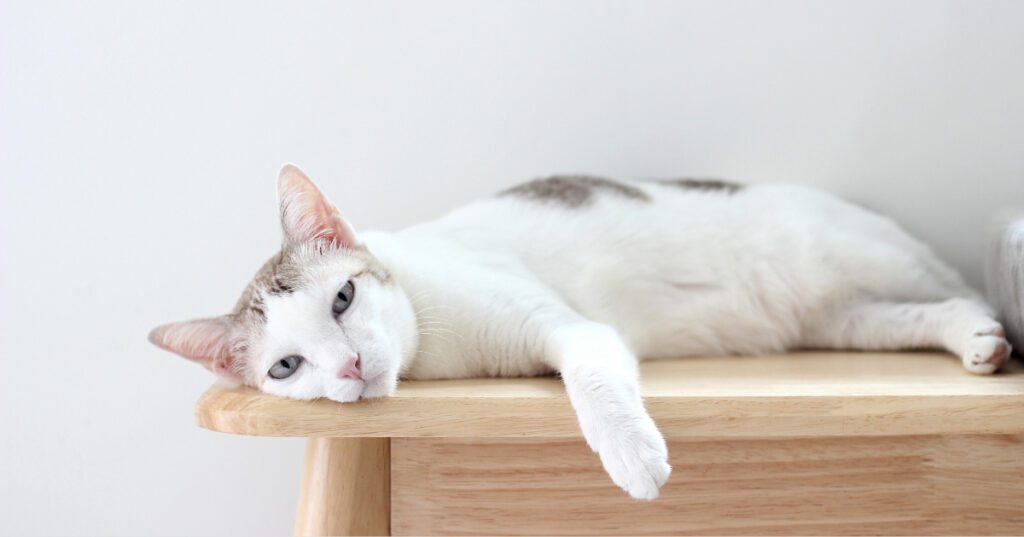
What Does Lethargy in Cats Actually Look Like?
Lethargy in cats goes beyond ordinary sleepiness. Cats are known for sleeping 12 to 16 hours a day, so it can be hard to recognize when their rest crosses into something concerning. A lethargic cat typically shows a noticeable drop in energy compared to its normal baseline, which means less interest in play, reduced appetite, and reluctance to move around or interact.
Cat lethargy is best understood as a symptom rather than a diagnosis. It signals that something in the body may be off, even if the cause isn’t yet clear. Understanding what’s normal for your individual cat is the first step in identifying a problem early.
Signs of a Lethargic Cat
Cat lethargy can look different depending on the underlying cause, but common signs include:
- Sleeping more than usual or in unusual locations
- Lack of interest in food, water, or treats
- Reduced or absent grooming habits
- Little to no interest in play or interaction
- Moving slowly, stumbling, or avoiding jumping
- Hiding or withdrawing from family members
If your cat shows several of these behaviors at once, especially alongside other physical symptoms, that’s a clear signal to seek veterinary care.
Why Is My Cat So Lethargic? Common Causes
A lethargic cat can have many possible causes ranging from minor to serious. Rather than guessing, it’s important to understand the range of possibilities so you can describe your cat’s symptoms clearly when you contact your veterinarian.
Illness and Infection
Upper respiratory infections, urinary tract infections, and systemic illnesses can all cause a cat to become lethargic. When the body is fighting off an infection, energy is redirected toward the immune response, leaving your cat feeling weak and sluggish. Viral infections like feline herpesvirus or calicivirus are common culprits, especially in cats that have contact with other animals.
Chronic Disease
Chronic conditions such as kidney disease, hyperthyroidism, diabetes, heart disease, and anemia are frequently associated with ongoing cat lethargy. In many cases, decreased energy is one of the first noticeable signs that something is wrong with a major organ system. Early diagnosis through bloodwork and physical examination is critical for managing these conditions effectively.
Pain or Injury
Cats are notoriously stoic about pain. A cat dealing with dental pain, arthritis, an internal injury, or a wound may become lethargic as a response to discomfort. You might not see any obvious signs of pain as cats tend to hide it, but reduced activity and social withdrawal are common indicators.
Toxin Exposure or Poisoning
Cats are sensitive to many household substances, including certain plants, medications, cleaning products, and foods. If a cat has ingested something toxic, sudden and severe lethargy may be one of the first symptoms. This is a medical emergency that requires immediate veterinary attention.
Post-Vaccination Fatigue
Some cats experience mild lethargy after receiving vaccinations. This is typically short-lived, lasting 24 to 48 hours, and is considered a normal immune response. If lethargy persists beyond two days after a vaccination, contact your veterinarian.
When Is Cat Lethargy a Medical Emergency?
Some causes of lethargy in cats require urgent care. Reach out to University Veterinary Hospital or an emergency animal clinic right away if your lethargic cat is also showing any of the following:
- Difficulty breathing or open-mouth breathing
- Pale, white, blue, or yellow-tinged gums
- Collapse or inability to stand
- Seizures or tremors
- Vomiting or diarrhea that is severe or bloody
- Suspected toxin ingestion
- No urination for 12 or more hours (especially in male cats)
Urinary blockages in male cats, for example, are a life-threatening emergency. A blocked cat may crouch in the litter box, cry out, and become rapidly lethargic as toxins build up in the body. Time matters enormously in these cases.
How Do Vets Diagnose the Cause of Cat Lethargy?
At University Veterinary Hospital in Shreveport, the diagnostic process for a lethargic cat typically begins with a thorough physical examination. Your veterinarian will assess your cat’s heart rate, respiratory rate, temperature, hydration status, lymph nodes, and overall condition.
From there, diagnostic testing may include:
- Complete blood count (CBC) and blood chemistry panel to assess organ function and detect infection or anemia
- Urinalysis to evaluate kidney function and check for urinary tract infections
- Thyroid hormone testing, especially in middle-aged to older cats
- X-rays or ultrasound to evaluate internal organs
- Blood pressure measurement
The goal is to identify the root cause of the lethargy so the treatment plan can be targeted and effective. A lethargic cat with kidney disease requires a very different approach than one recovering from a mild respiratory infection.
Can Stress or Environmental Changes Cause Cat Lethargy?
Absolutely. Cats are highly sensitive to changes in their environment, and stress is a recognized cause of lethargy in cats. A new pet in the home, a move to a new house, changes in the household routine, or even rearranging furniture can cause a cat to withdraw and become less active.
Stress-related lethargy typically resolves once the cat has had time to adjust. However, if the behavior persists for more than a few days or is accompanied by other symptoms such as a change in appetite or litter box habits, a veterinary visit is warranted. It’s always better to rule out medical causes before attributing lethargy to stress alone.
Does My Cat’s Age Affect the Likelihood of Lethargy?
Yes, age plays a significant role. Kittens are generally energetic and playful, so lethargy in a young cat is more immediately concerning. It can indicate a serious infection, congenital condition, or nutritional deficiency.
In senior cats (typically those 10 years and older), some slowing down is expected as part of the aging process. However, significant lethargy in an older cat should never be dismissed as simply “old age.” Conditions like hyperthyroidism, kidney disease, arthritis, and cancer become more prevalent with age, and many are highly manageable when caught early.
Annual wellness exams and twice-yearly exams for senior cats are one of the most effective tools for catching age-related illness before it progresses. Our team at University Veterinary Hospital is experienced in senior cat care and can help you understand what’s normal for your cat at every life stage.
When Should I Call the Vet About My Lethargic Cat?
If your cat’s lethargy lasts more than 24 to 48 hours, or if it’s accompanied by any other changes in behavior, eating, drinking, or litter box use, it’s time to call your veterinarian. Cat lethargy that appears suddenly and is severe, rather than a gradual change, also warrants prompt attention.
Pet owners in Shreveport can reach University Veterinary Hospital to schedule an appointment or ask questions about their cat’s health. Our team is committed to providing compassionate, thorough care for cats at every stage of life. Trust your instincts. If something feels off with your cat, it probably is, and a professional evaluation is always the right move.
Your Lethargic Cat Deserves Answers
Cat lethargy is one of those symptoms that’s easy to dismiss and easy to underestimate. But because it can be one of the earliest signs of a wide range of health conditions, taking it seriously is one of the kindest things you can do for your cat. Whether the cause turns out to be minor or something that needs ongoing management, knowing sooner rather than later puts you in the best position to help your feline companion live a long, healthy, comfortable life.
University Veterinary Hospital in Shreveport, LA is here to help you navigate those “Is this normal?” moments with confidence. Call (318) 797-5522 or book an appointment online and get the answers your cat needs.
Recent Posts
About University Veterinary Hospital
UVH has a phenomenal team of veterinarians and specialists available to meet all your pet’s needs. From the moment you walk through our doors, you will be met with friendly faces and warm greetings from our wonderful front desk team, and then ushered into an exam room to meet with your veterinarian. We are deeply invested in your pet’s longevity and happiness, and in your satisfaction.